Explore the Biological Roots of Clothing and Shelter
This section provides a detailed and comprehensive overview of your company’s mission, values, and history. It highlights the key principles and values that drive the purpose, goals, and long-term success of your brand and business operations.
Discover the Biological Roots of Clothing and Shelter
Dive into the fascinating science behind natural fibers and materials that form the foundation of our clothing and homes, revealing their biological origins and unique properties.
Natural Fibers from Plants
Understand how cotton and jute plants provide sustainable fibers used worldwide in textiles and construction.
Animal-Derived Textiles
Explore how silk from silkworms and wool from sheep contribute warmth and durability to clothing.
Wood as a Renewable Resource
Learn why wood remains a critical, eco-friendly building material with versatile structural uses.
Uncover the Biological Roots of Textiles
Delve into the science behind natural fibers and renewable materials used in clothing and shelter.
Plant Fibers
Understand the characteristics and sources of cotton, jute, and other plant-based fibers.
Plant Fibres
Plant fibres are made of sclerenchymatous cells. These are elongated cells with thick walls made of cellulose and lignin, giving them strength.
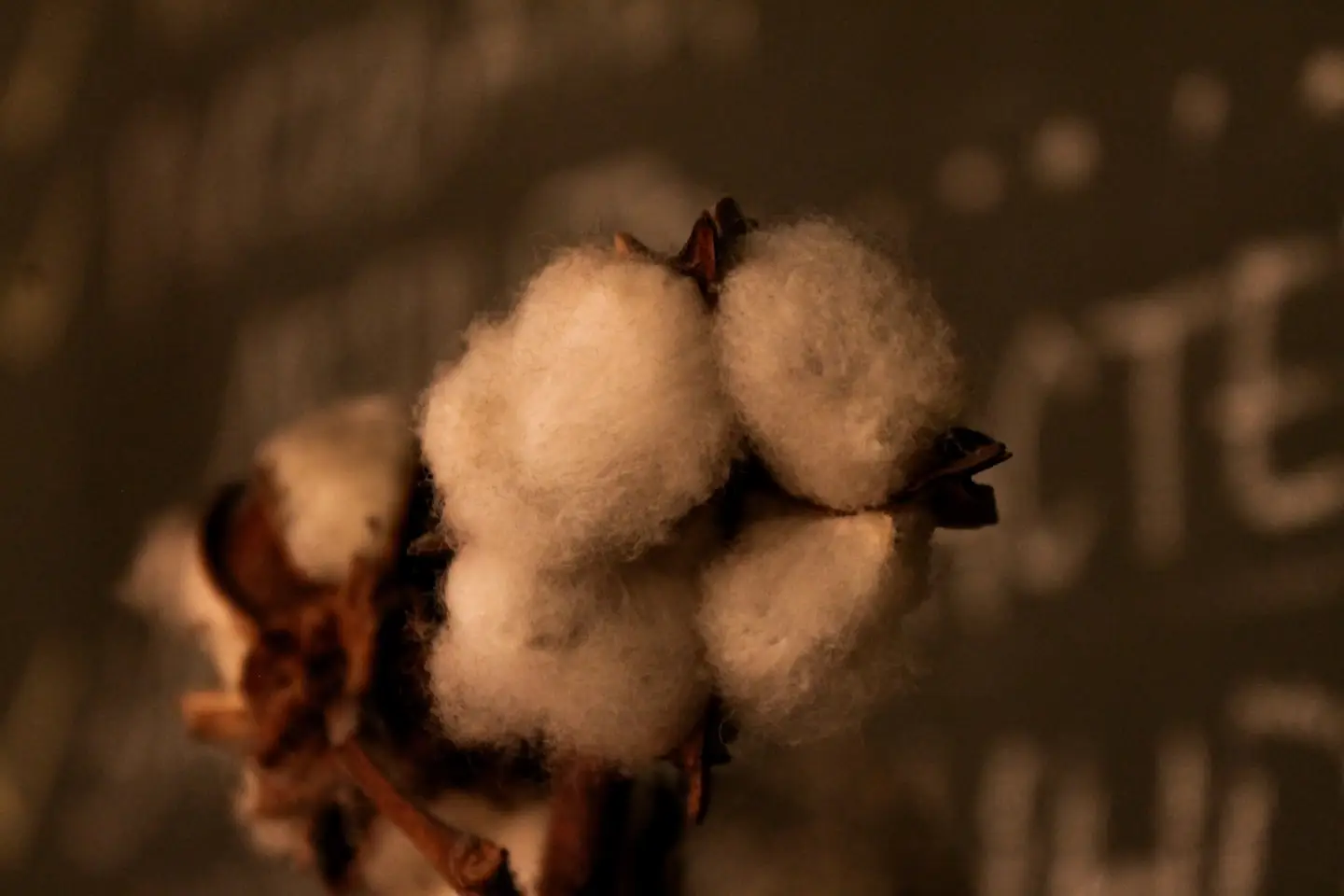
- Cotton (Gossypium spp.): This is the world’s chief fibre plant. In Myanmar, it is an essential industrial crop cultivated in regions like Mandalay, Magway, and Sagaing.
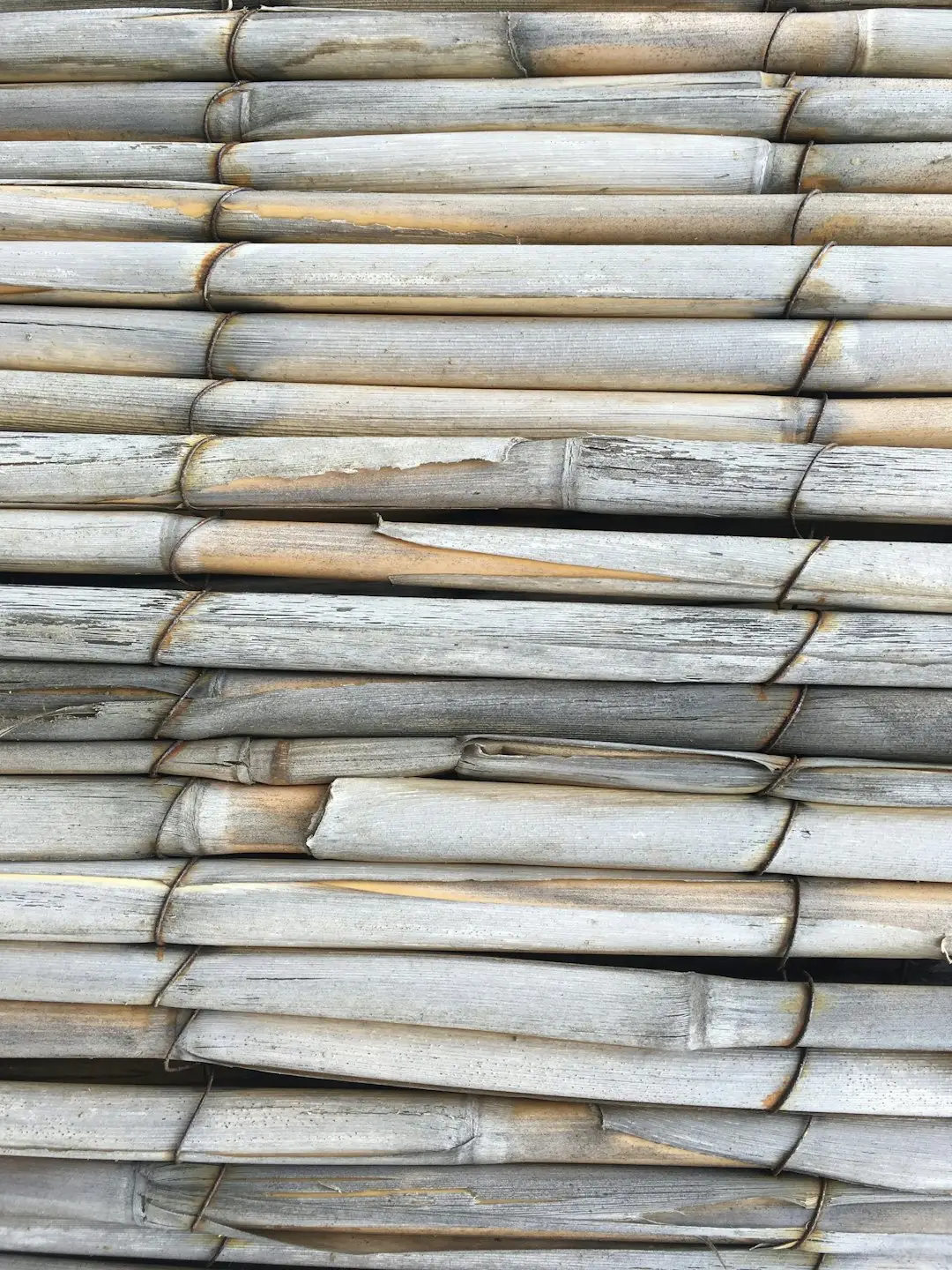
- Jute (Corchorus spp.): Known as a “bast fibre,” jute thrives in hot, humid climates. It is incredibly strong and is used globally to make roofing materials, curtains, and gunny bags.
Animal Fibers
Explore the unique qualities of silk, wool, and other animal-derived materials.
Animal Fibres
Animal fibres are protein-based and are prized for their texture and warmth.
- Silk: Known as the “Queen of Textiles” for its luxury and comfort.
- The Biological Process: It starts with Sericulture, the agro-based industry of rearing silkworms (Bombyx mori). The silkworm caterpillar feeds on mulberry leaves and eventually spins a cocoon of fluid protein to protect itself during metamorphosis. We harvest this continuous protein filament to make silk.
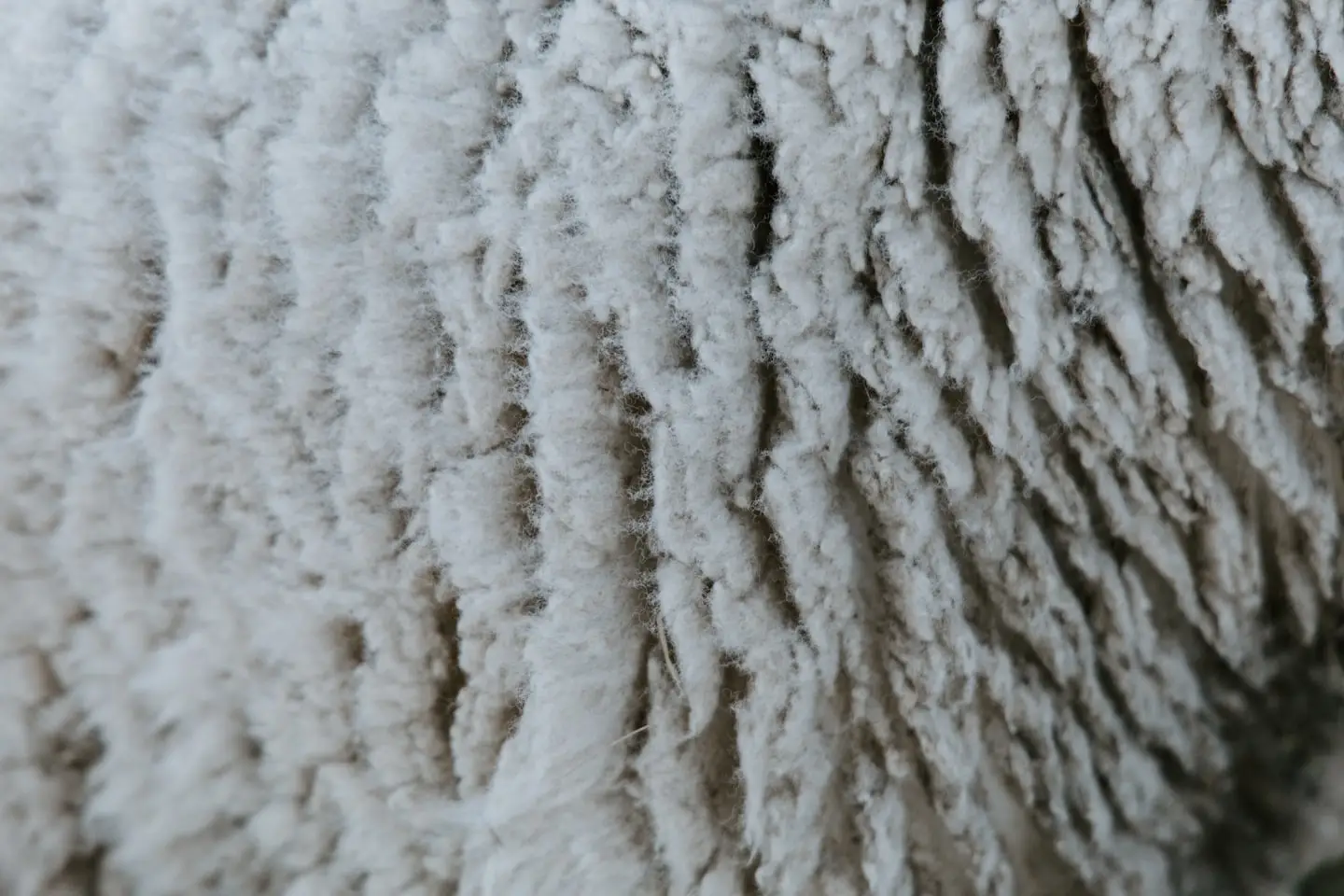
- Wool: Obtained mainly from sheep, but also goats, rabbits, and camelids.
- Why it works: Wool consists of protein and lipids, making it chemically distinct from plant fibres. It is excellent for insulation, used in blankets, sweaters, and even carpets.
Wood in Construction
Discover how wood serves as a sustainable building material with versatile applications.
Shelter: Wood as a Biological Material
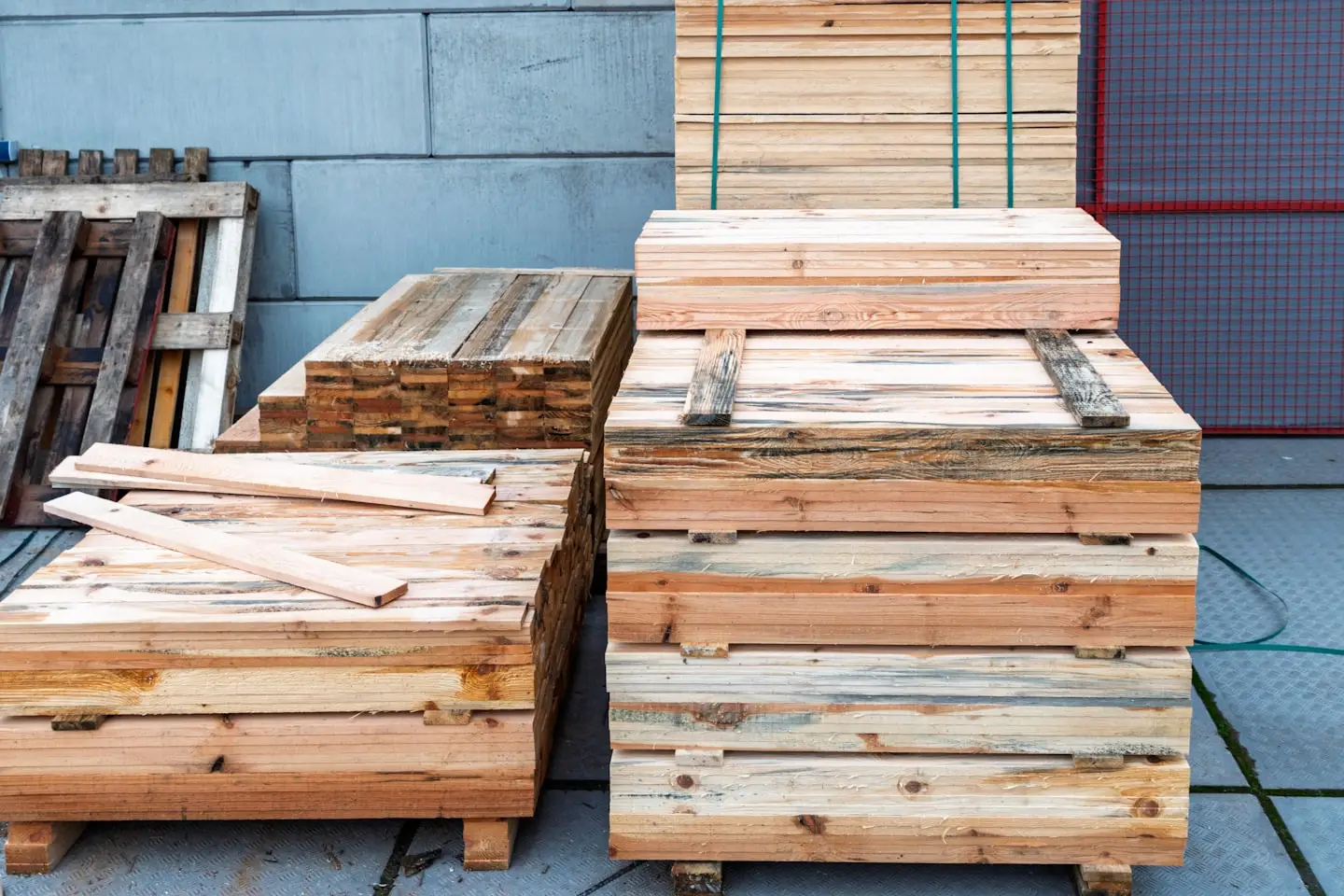
Since the dawn of civilization, humans have relied on wood for shelter, tools, and boats. Even today, despite metals and plastics, wood remains indispensable because it is renewable.
Why is wood so good for building? It offers a unique combination of qualities:
- High strength relative to its weight.
- Easy availability and continuous supply.
- High resistance to electrical and chemical stimuli.
Timber in Myanmar The structural timber we use comes mainly from the heartwood of trees. Myanmar is home to some of the most valuable timber-yielding plants in the world:
- Teak (Tectona grandis): Famous for its durability and water resistance.
- Pyinkado (Xylia dolabriformis): Another crucial commercial timber.
Discover the Biological Origins
This section presents detailed visuals illustrating the natural sources and qualities of fibers and materials used in clothing and shelter.
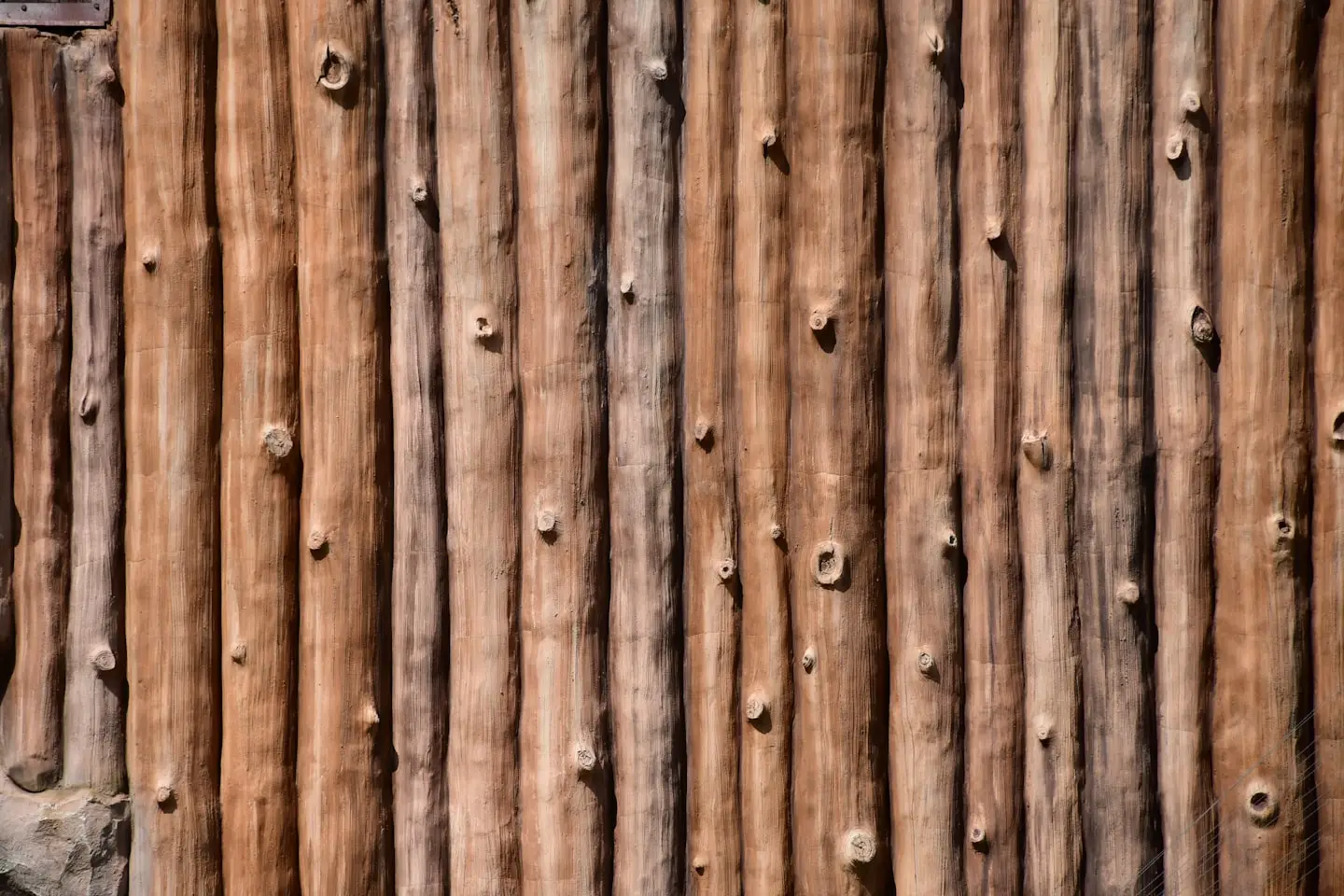
Biological Foundations
Discover the origins and characteristics of natural fibers and materials that form the basis of clothing and shelter in human life.
🧠 Chapter 1 Wrap-Up
We have now completed Introduction to Biology! You should now understand:
- The 5 Themes: Organization, Information, Energy, Interactions, and Evolution.
- Daily Life Applications: How biology drives Agriculture, Medicine, and Industry .
Next Step: We will be starting Chapter 2: Molecular Biology, where we zoom into the microscopic world of DNA and RNA.
Suggested Activity: Look at the label on your shirt. Is it made of cotton (plant sclerenchyma) or perhaps wool (animal protein)? You are wearing biology!
Understanding Plant Fibers
Explore how fibers such as cotton and jute are harvested and processed, highlighting their unique biological properties that make them ideal for textiles.
Exploring Animal Fibers
Learn about wool and silk, including how animal biology influences fiber quality and how these materials contribute to warmth and durability.
Wood as a Building Material
Examine the renewable qualities of wood, its structural benefits, and its role as a sustainable resource in construction and shelter.