Explore the Core Themes Shaping Biological Understanding
Delve into the foundational concepts of biology that reveal how life is interconnected, offering a clear framework to comprehend the complexity and diversity of living organisms.
Core Themes of Biological Science
Explore foundational themes that reveal the interconnected nature of biological systems and the complexity of life.
6
Cellular Organization
Examines how cells serve as the basic units of life, forming complex organisms and systems.
8
Evolutionary Processes
Highlights the mechanisms of evolution driving diversity and adaptation in living beings.
7
Energy Flow
Focuses on how energy is transferred and transformed within biological systems.
5
Genetic Information
Details the role of DNA and genes in inheritance and biological function.
Explore Core Biology Themes
Uncover fundamental ideas that explain life’s complexity and diversity.

Cell Structure
Understand the building blocks of all living organisms and their functions.

Genetics and Evolution
Examine how traits are inherited and species evolve over time.

Ecology and Environment
Discover interactions among organisms and their surroundings.
Discover the Core Themes of Biology
Delve into a thoughtfully selected array of visuals that capture the intricate beauty and foundational concepts of life sciences.



Discover the Core Principles of Biology Now
Dive into the essential themes that reveal life’s complexity and inspire deeper understanding. Learn how these concepts connect and why they matter to all living systems.
1. New Properties Emerge at Successive Levels of Biological Organization
Life is organized into a hierarchy, like a ladder. It starts small with atoms and molecules and builds up to organelles, cells, tissues, organs, organisms, populations, communities, ecosystems, and finally, the biosphere.
- Emergent Properties: As we move up this ladder, new properties appear that weren’t present at the level below. These “emergent properties” happen because of the interactions between the smaller parts.
- Structure and Function: In biology, the way something is built (structure) is directly related to what it does (function).
- Example: A hummingbird’s shoulder anatomy allows its wings to rotate, giving it the unique ability to fly backward or hover to feed on nectar.
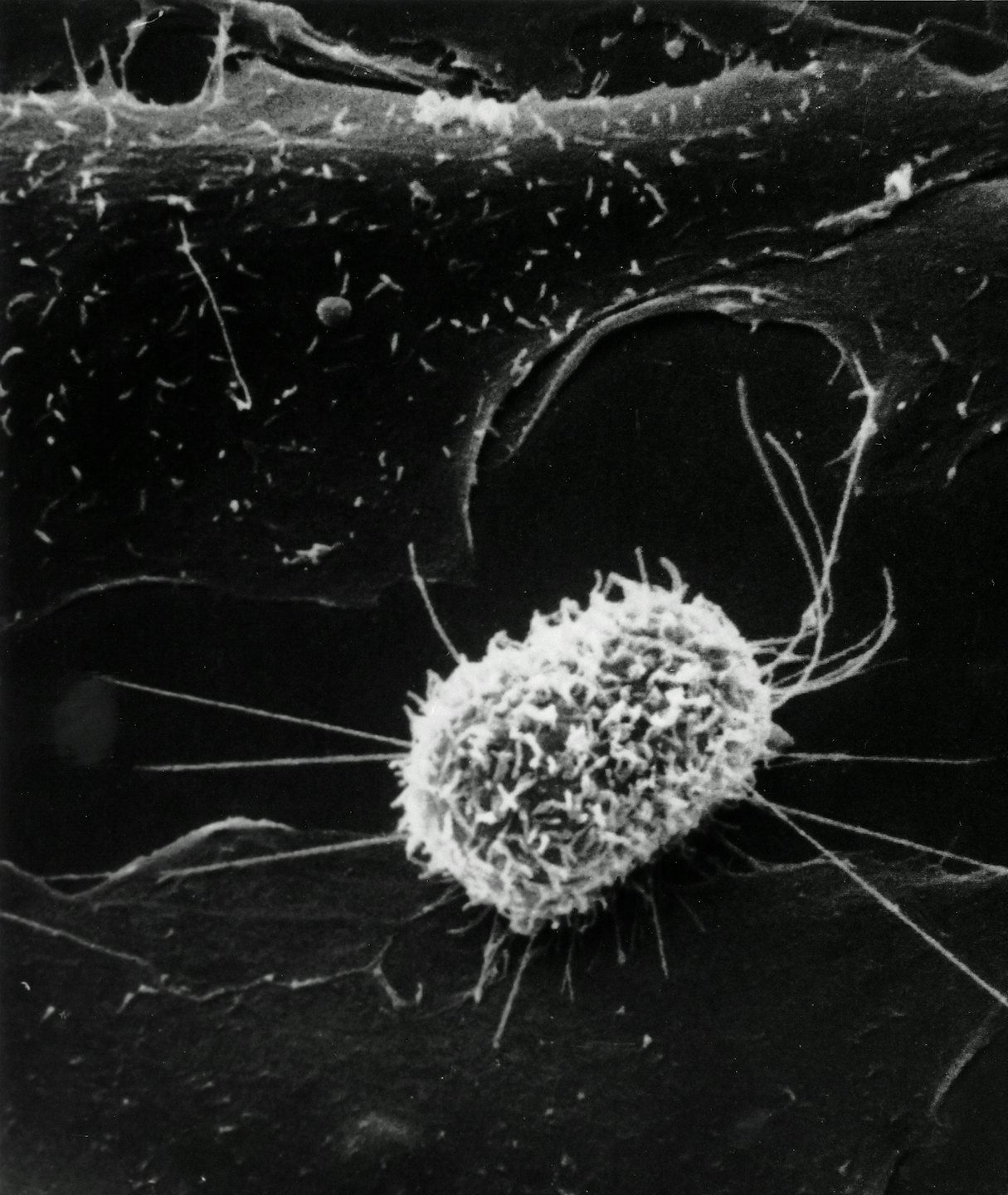
- The Cell: This is the lowest level of organization that can perform all activities required for life.
- Prokaryotic cells: Lack a nucleus and membrane-enclosed organelles (e.g., bacteria).
- Eukaryotic cells: Have a nucleus and membrane-enclosed organelles (e.g., plants and animals).
2. Life Processes Involve Genetic Information
Life depends on the transmission of information. This “instruction manual” for life is written in DNA (deoxyribonucleic acid).
- Genes: These are specific sequences of DNA that act as instructions.
- Gene Expression: This is the process where the information in a gene is used to create a cellular product. DNA is transcribed into mRNA and then translated into specific proteins.
3. Transfer and Transformation of Energy and Matter
Every living thing needs energy to survive. This theme involves two main pathways:
- Energy Flow: Energy flows through an ecosystem. It usually enters as sunlight, which producers (plants) convert into chemical energy. Consumers eat the plants, and eventually, energy is lost as heat.
- Chemical Cycling: Unlike energy, matter (chemicals) is recycled. Plants take nutrients from the soil and air; animals eat the plants; and decomposers (like fungi and bacteria) break down dead organisms, returning chemicals to the soil to be used again.
4. Interactions in Biological Systems
From molecules inside a cell to animals in a forest, nothing exists in isolation. Organisms interact continuously with physical factors and other organisms.
- Feedback Regulation: Biological processes often regulate themselves through a mechanism called feedback.
- Negative Feedback: The accumulation of a product slows down its own production (like a thermostat turning off heat).
- Positive Feedback: A product speeds up its own production.
5. Evolution: The Unity and Diversity of Life
Evolution is the core theme that explains why life is so diverse yet shares so many united features. It accounts for how organisms adapt to their environments.
Biologists classify life into three major Domains:
- Bacteria: Prokaryotes (single-celled, no nucleus).
- Archaea: Prokaryotes (often live in extreme environments).
- Eukarya: Includes Protists, Fungi, Plants, and Animals.
📝 Quick Review
- Organization: Structure matches function (e.g., hummingbird wings).
- Information: DNA directs protein synthesis.
- Energy: Flows one way (sun -> heat), while chemicals cycle.
- Interactions: Feedback loops regulate systems.
- Evolution: Explains the unity and diversity of all living things.
That’s it for today’s lecture!
Video Section
“Biological Levels of Organization” by Amoeba Sisters
“Energy Flow in Ecosystem” by by MooMooMath and Science
Themes of Biology Quiz