Discover the Science Behind Food Systems
Delve into how biology shapes agriculture, horticulture, and hydroponics to nourish our communities.

Sustainable Agricultural Practices
Learn how biology drives eco-friendly farming techniques that boost crop yield and protect ecosystems.

Innovations in Horticulture
Understand the biological advances that improve plant health and garden productivity year-round.

Hydroponic Farming Benefits
Explore soil-free cultivation methods powered by biology to maximize food production efficiently.
Discover the Biology Behind Food Systems
Dive into vivid visuals that reveal the intricate connections between biology and the foods we cultivate and consume.
Explore Biology in Food Systems
Examine how biology influences agriculture, horticulture, and hydroponic farming to feed our communities.
Agricultural Biology
Understand the biological processes that drive crop production and sustainability.
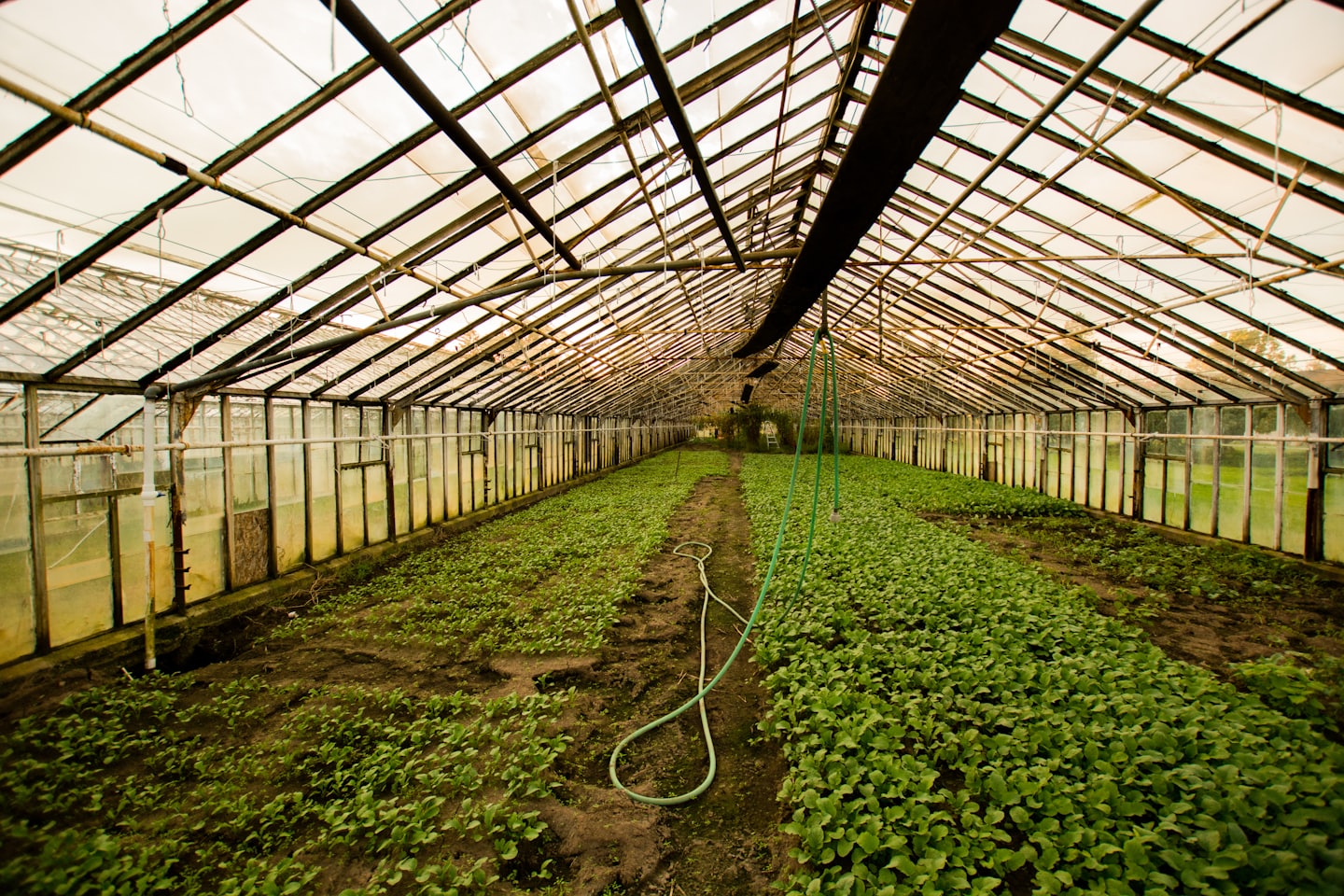
Agriculture is the science of producing commodities that maintain life, including food, fibers, and forest products. In Myanmar, agriculture is vital, with farms producing diverse crops like rice, pulses, and maize.
Here are the major crops you need to know:
- Rice (Oryza sativa): The staple food. It thrives in rain-fed lowlands and irrigated fields. Traditionally, rice fields are flooded, which isn’t strictly necessary for the rice itself but is a biological trick to suppress weeds and pests that can’t survive underwater.
- Wheat (Triticum aestivum): A winter crop often sown using the “zero-tillage” technique (planting without disturbing the soil), which helps maintain a compact seedbed.
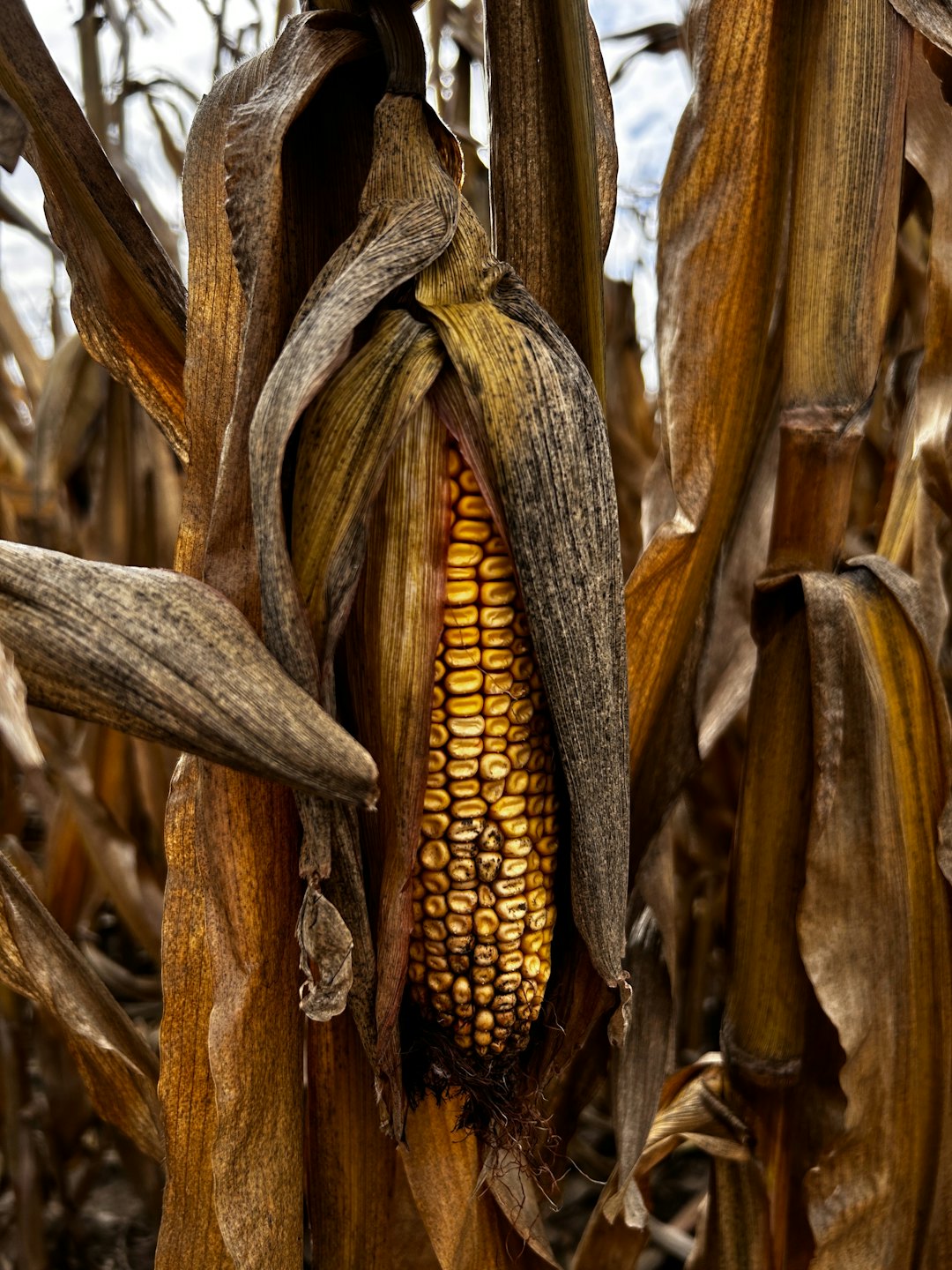
- Maize (Zea mays): A tropical plant that loves warm, humid weather. It is very sensitive to soil moisture—too much or too little can harm it.
- Pulses: Did you know Myanmar is a world leader in pulse production? We are the third-largest producer globally (after India and Canada), growing crops like blackgram, greengram, and pigeonpea.
Horticultural Science
Discover techniques that improve plant growth and health in controlled environments.
Horticulture: The Art of Garden Cultivation
While agriculture focuses on large-scale field crops, Horticulture (from the Latin hortus for “garden”) focuses on high-value plants for food, beauty, and utility7. It involves intensive care for individual plants to improve quality and yield8.
Horticulture is divided into several specialized branches:
| Branch | What it Studies |
| Olericulture | Vegetable growing (non-woody plants for food)9. |
| Pomology | Production of fruits and nuts10. |
| Viticulture | Growing grapes, largely for winemaking11. |
| Floriculture | Growing flowers and ornamental plants12. |
| Turf Management | Production of grass for sports stadiums and leisure13. |
| Arboriculture | Care of individual trees and shrubs14. |
| Postharvest Physiology | Managing crops after harvest to extend shelf life15. |
Hydroponic Farming
Uncover the biology behind soil-less cultivation and its benefits for food systems.
Hydroponic Culture: Farming Without Soil
What if you don’t have good soil? Biology has an answer: Hydroponics.
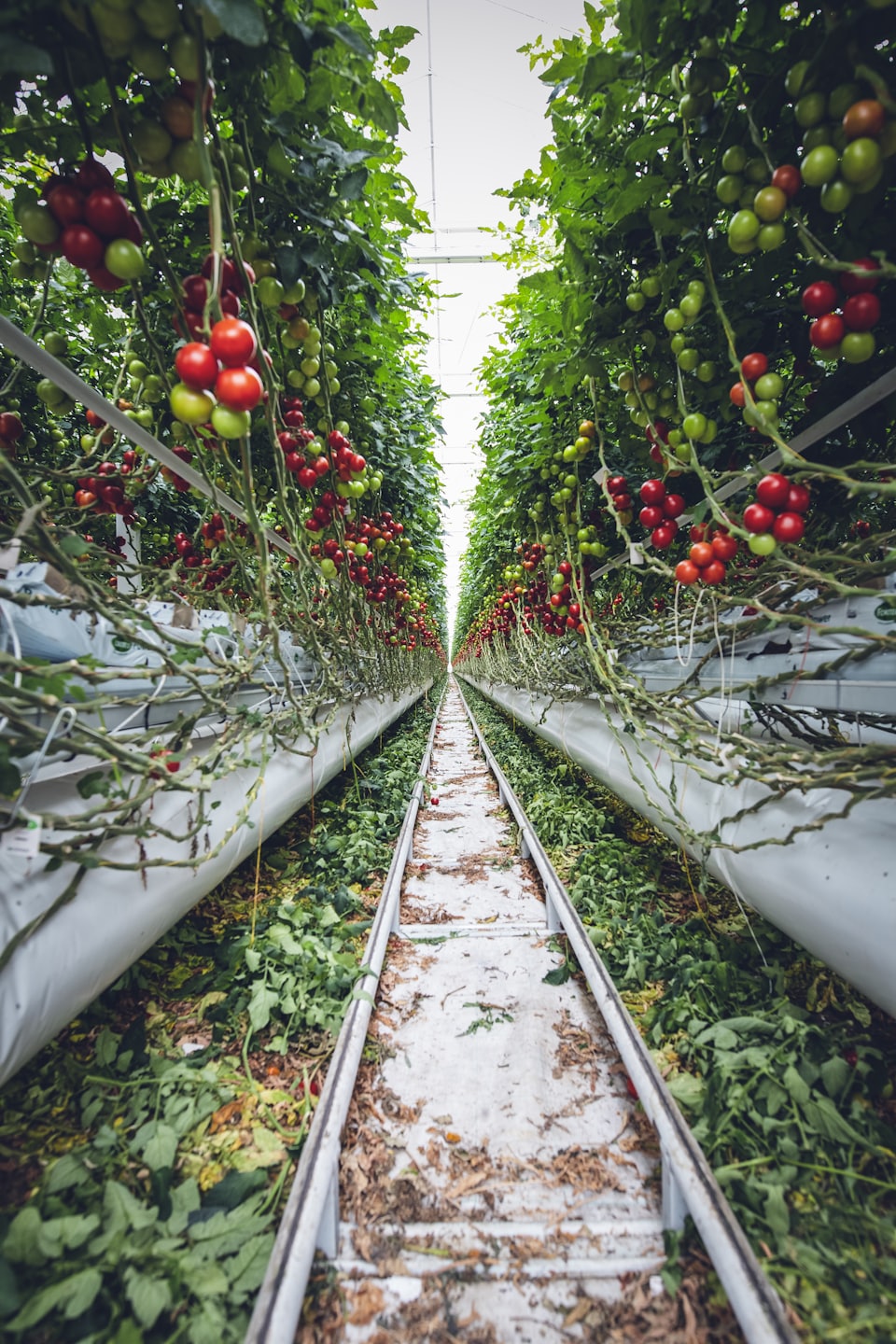
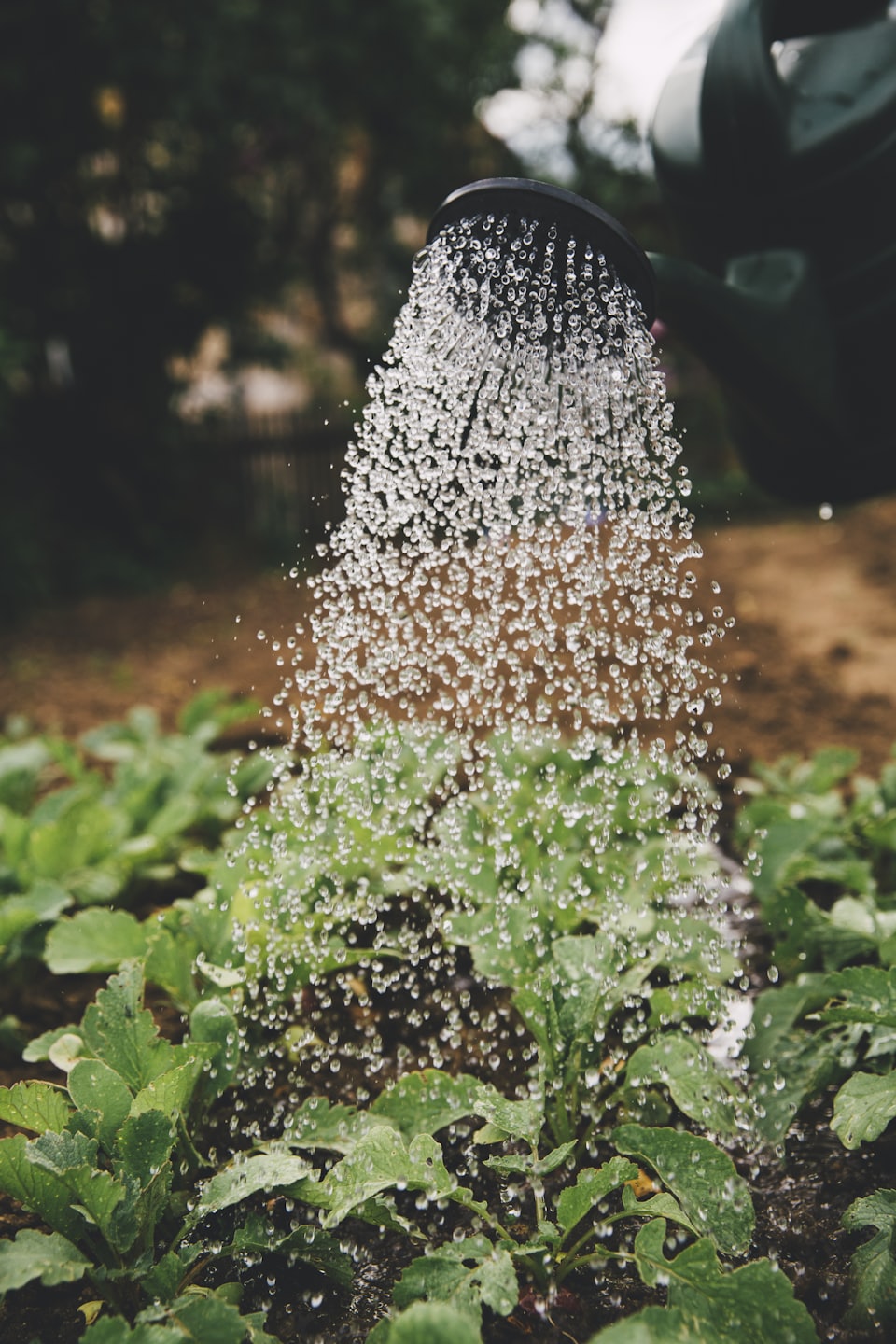
Hydroponics is a method of growing plants using mineral nutrient solutions in water solvents, without any soil. The roots are exposed to the nutritious liquid or supported by an inert medium like gravel or perlite.
Why use Hydroponics?
- Water Efficiency: It uses significantly less water than traditional soil farming.
- Speed & Yield: It often allows for faster growth and higher yields.
- Adaptability: It allows people to grow food in harsh environments where fresh water or fertile soil is scarce.
Where do the nutrients come from? The nutrient solutions can be made from chemical fertilizers, or even biological sources like fish excrement (often linked with aquaponics) or duck manure.
Exploring Food Systems
Discover the biological foundations behind agriculture, horticulture, and innovative hydroponic methods shaping our food supply.

Step One: Understanding Biological Roles
Learn how living organisms contribute to cultivating and sustaining the plants that feed us, forming the basis of food systems.

Step Two: Agricultural Practices
Explore how various farming techniques harness biological processes to increase yield and maintain ecosystem health.

Step Three: Innovative Farming Technologies
See how hydroponics and other modern methods use biology to grow food efficiently without traditional soil dependency.
Discover How Biology Drives Food Systems Now
Dive deeper into how biological processes shape agriculture, horticulture, and innovative farming methods, and learn how they impact the food we enjoy daily.
🧠 Summary
- Agriculture provides our staples (rice, wheat, pulses) and raw materials.
- Horticulture refines this into specialized branches for fruits, vegetables, and aesthetics.
- Hydroponics uses biological knowledge to bypass soil entirely, securing food for the future.
Next Up: We will look at how biology helps us manage animal resources in Aquaculture and Livestock.
Suggested Activity: Next time you are at the market, try to classify the produce you see. Is it a product of Olericulture (vegetables) or Pomology (fruit)?