Explore Sustainable Aquaculture and Livestock Innovations
Gain a clear understanding of the scientific foundations and ethical values driving sustainable aquaculture and livestock practices that support global food security and environmental stewardship.
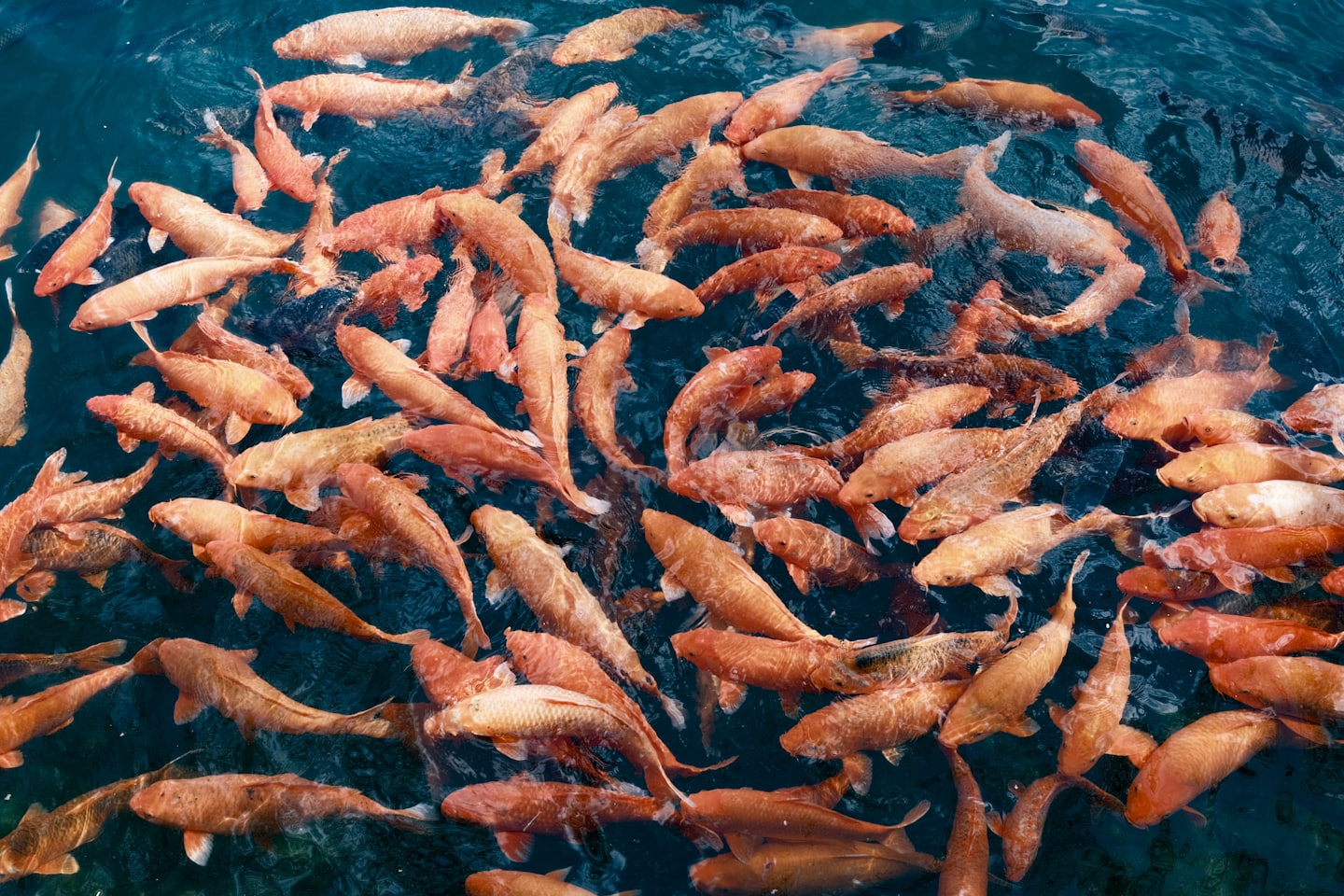
Aquaculture and Livestock Insights
Explore vital statistics revealing the impact and sustainability of aquaculture and livestock management worldwide.
85
Fish Farming Scale
Represents the global production volume of farmed fish, demonstrating growth and sustainability trends.
75
Livestock Contribution
Highlights the nutritional and economic roles of livestock in supporting global food security.
65
Ecological Benefits
Showcases how livestock and aquaculture practices contribute to ecosystem health and biodiversity.
Understand Aquaculture and Livestock
Dive into scientific insights on aquaculture and livestock management to support sustainable food production worldwide.

Aquaculture Methods
Explore diverse aquaculture techniques including fish farming and algaculture for sustainable yields.

Livestock Contributions
Examine the role of livestock in nutrition, labor, and ecological balance.

Sustainability Impact
Discover how aquaculture and livestock practices promote global food security and environmental health.
Discover Aquaculture and Livestock Insights
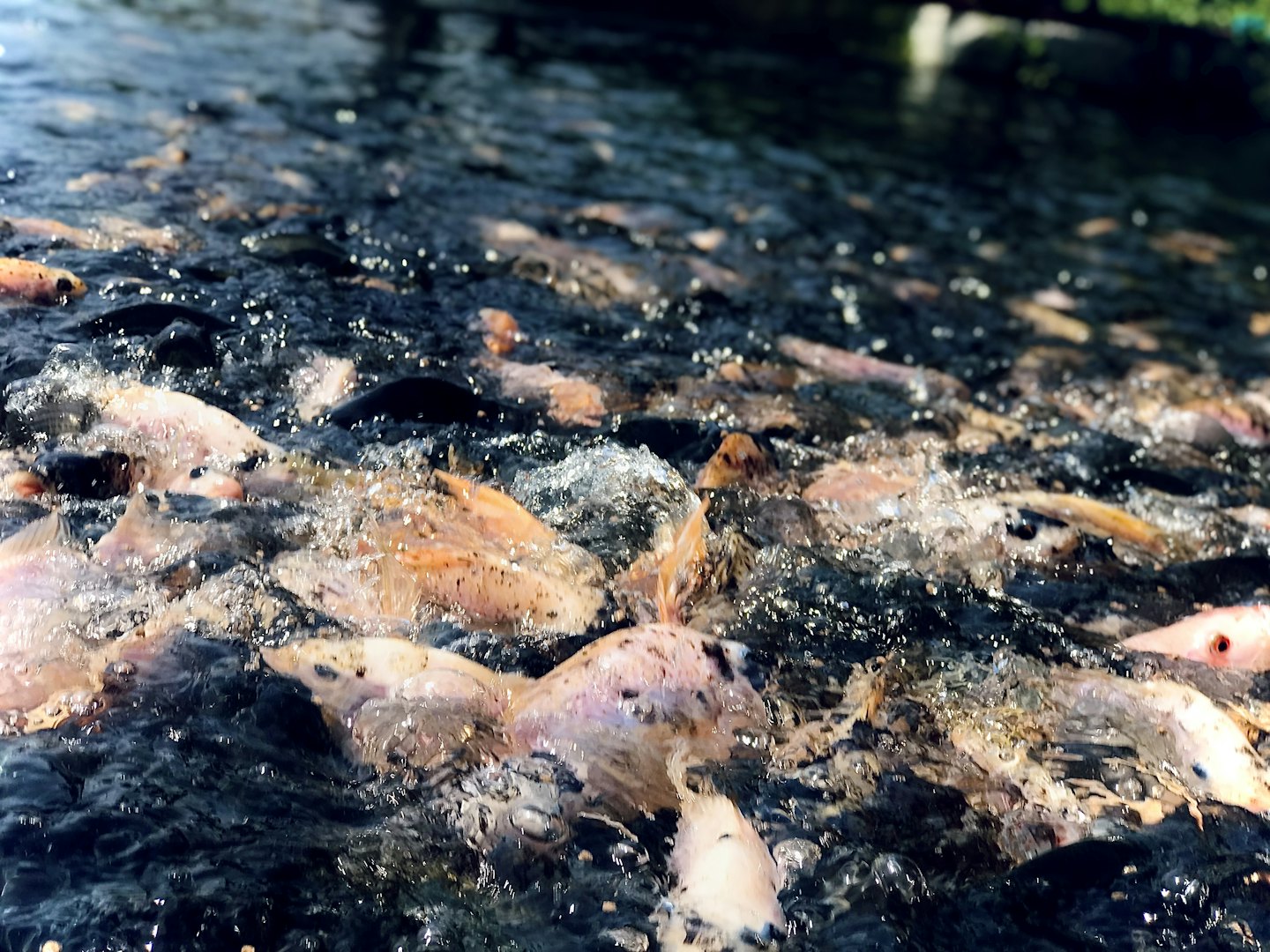
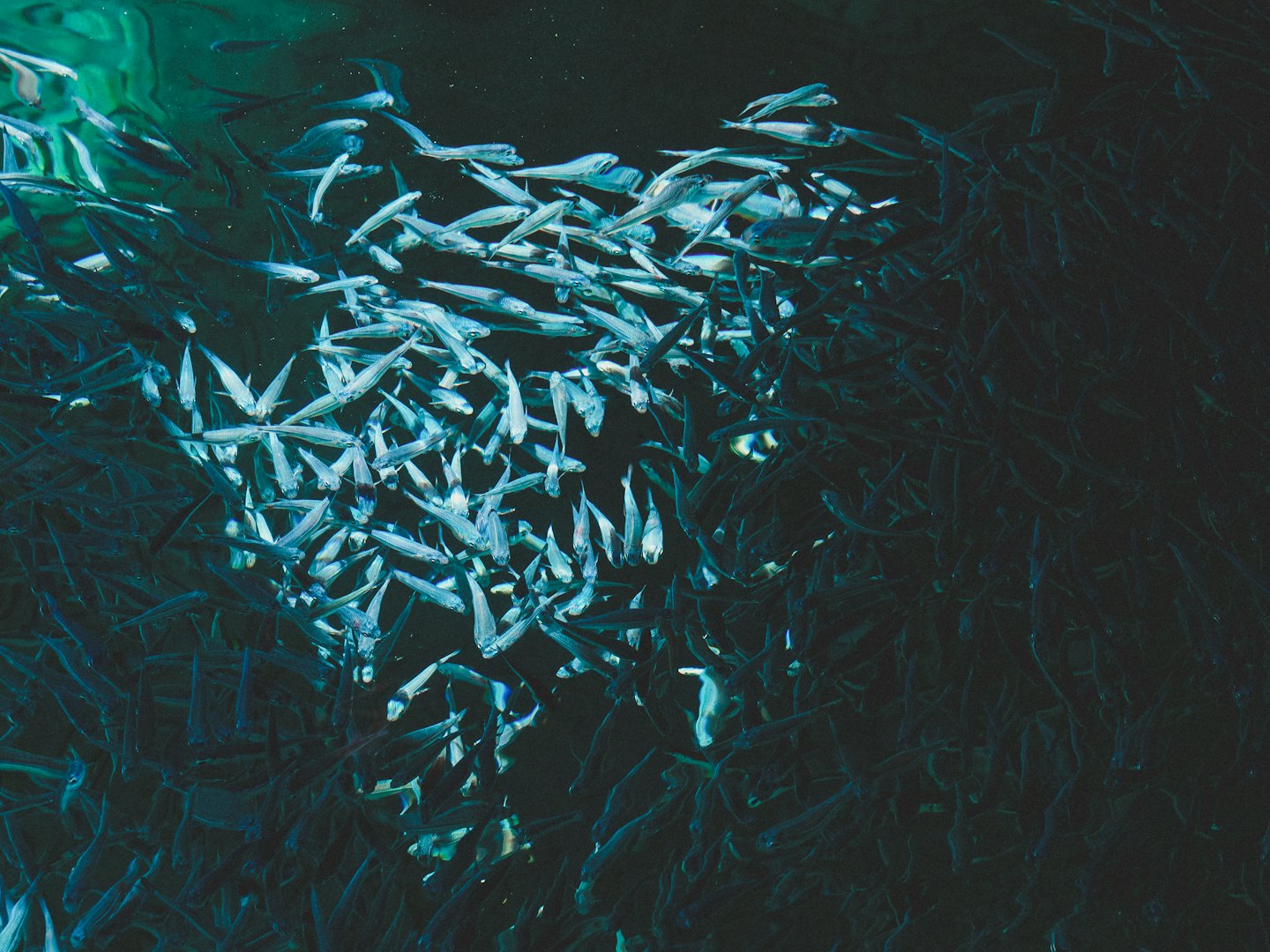
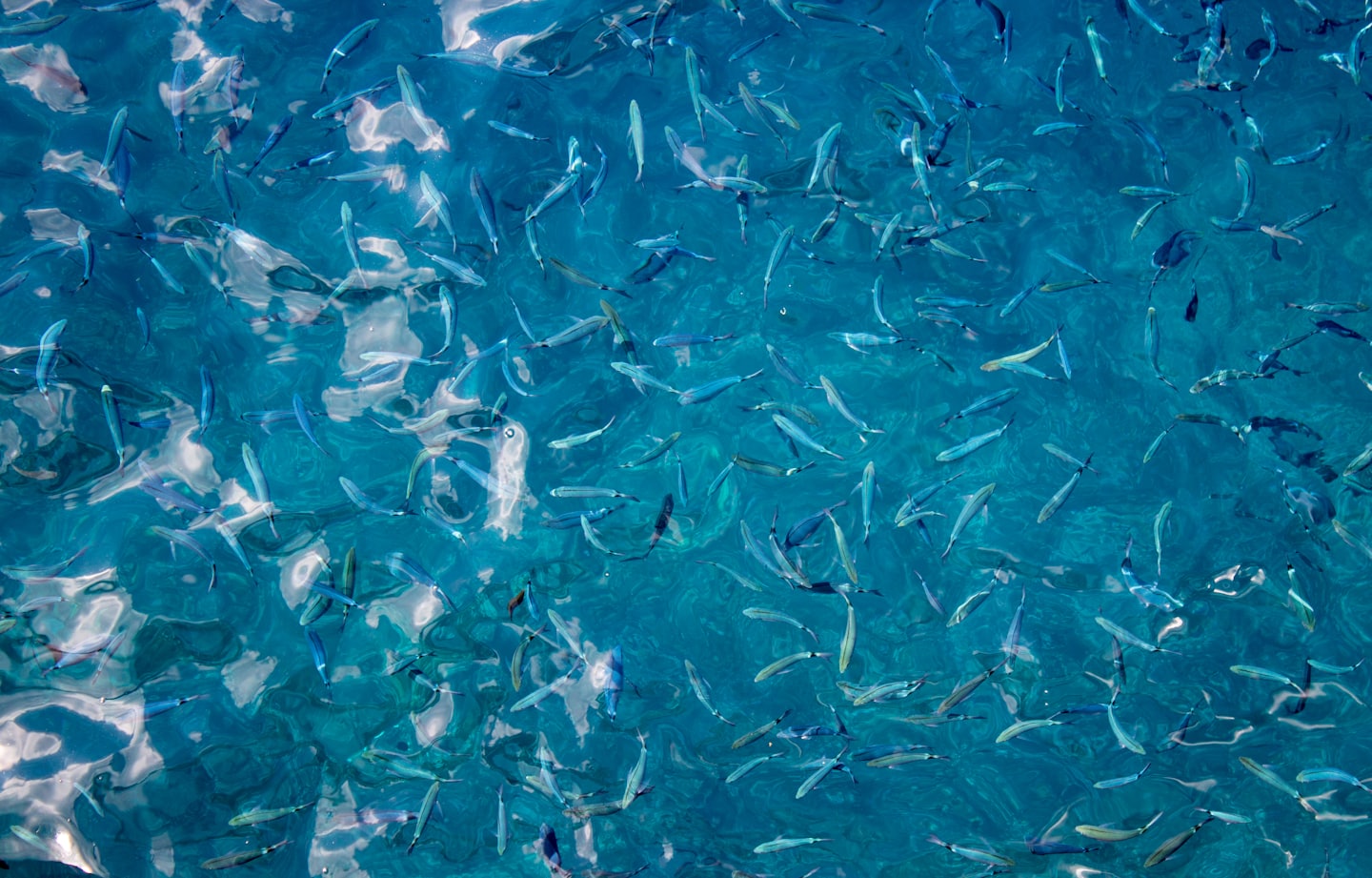
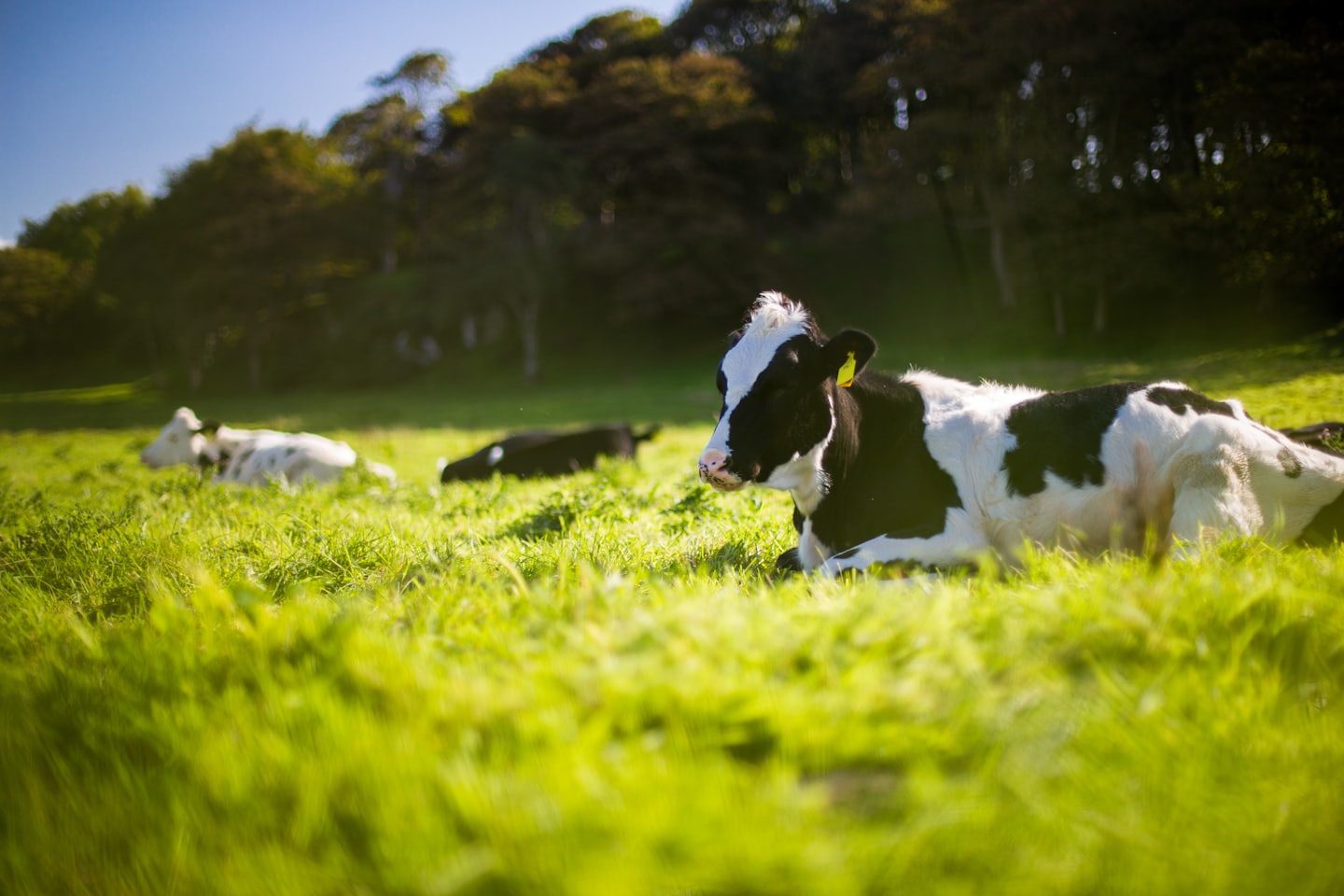
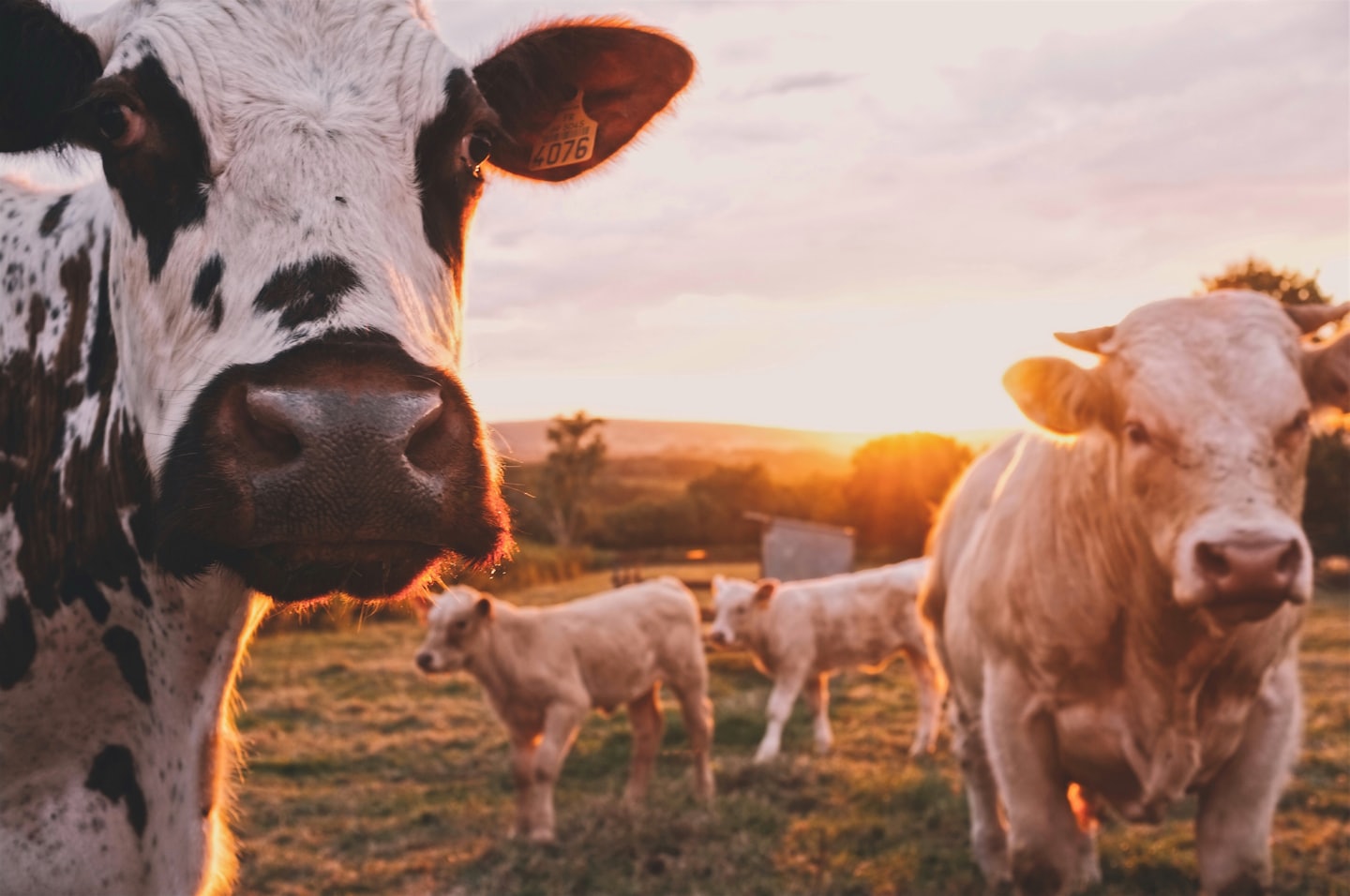
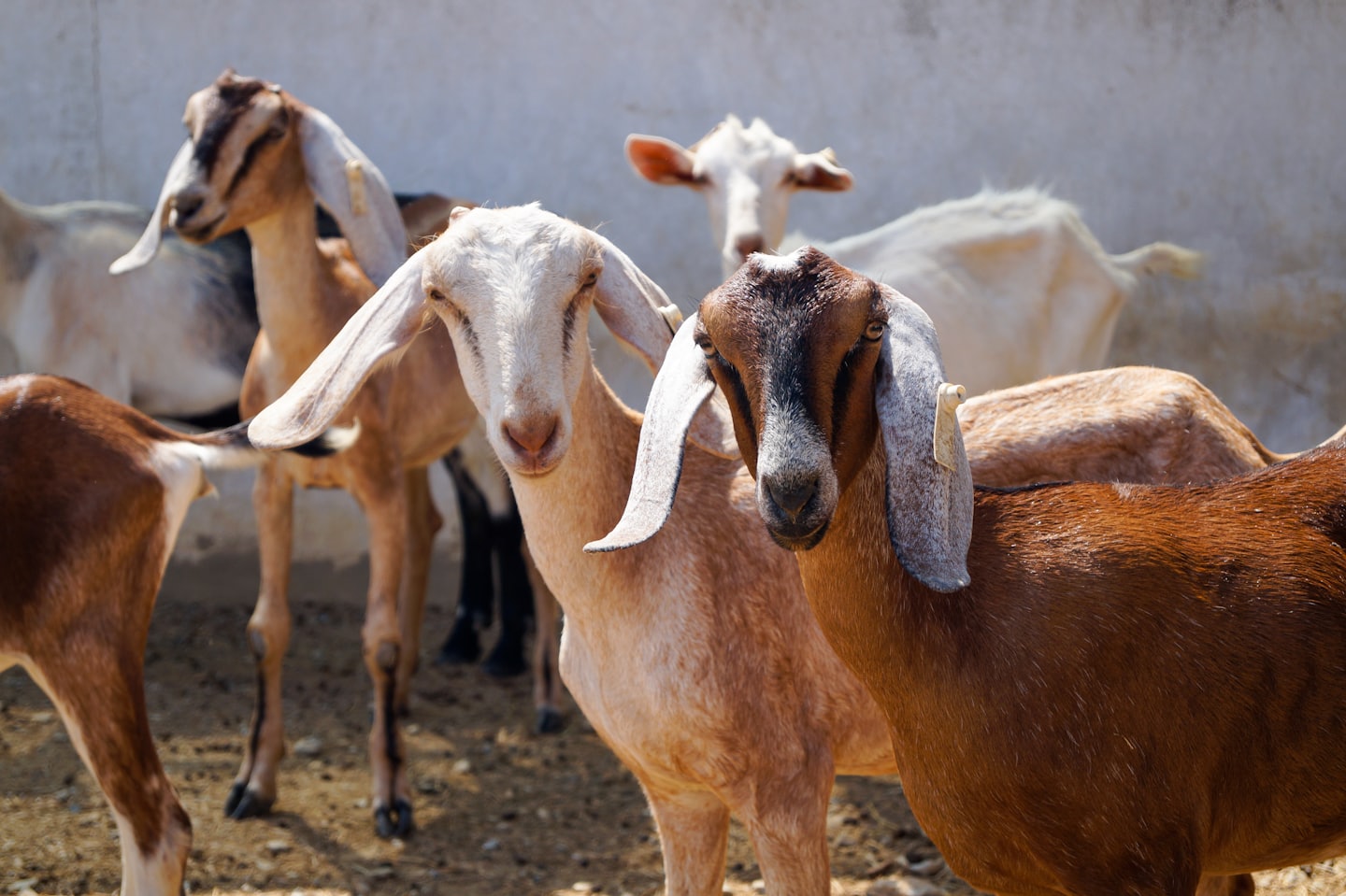
Dive into a selection of visuals that capture the science and impact of sustainable fish farming and animal husbandry.

Inspiring Stories from Aquaculture and Livestock Innovators
Discover the essential steps and scientific methods to successfully implement aquaculture and livestock management practices.
How Sustainable Practices Boosted Food Production
This case study reveals how integrating modern aquaculture and livestock techniques enhanced productivity and sustainability.


Building Resilience through Advanced Farming Techniques
This case study examines how innovative methods in aquaculture and livestock led to improved yields and environmental balance.
Optimizing Food Supply with Science-Backed Methods
This case study highlights how adopting scientific management enhanced efficiency and sustainability in farming operations.

1. Aquaculture: Farming the Waters
We often think of farming as happening on land, but Aquaculture (or aquafarming) is the farming of aquatic organisms like fish, crustaceans, molluscs, and algae. Unlike commercial fishing, which harvests wild fish, aquaculture involves cultivating these populations under controlled conditions.
Key Types of Aquaculture:
- Fish Farming (Pisciculture): The commercial breeding of fish in tanks or ponds. Top species include carp, salmon, tilapia, and catfish.
- Mariculture: This is specialized aquaculture practiced in marine environments. It can be offshore (open ocean), inshore (coastal waters), or onshore (tanks filled with seawater).
- Shrimp Farming: Growing shrimp or prawns for consumption in marine or freshwater environments.
- Oyster Farming: Raising oysters for their pearls, shells, or meat.
- Algaculture: The farming of algae (like seaweed) for commercial and industrial use.
- Integrated Fish Farming: A smart biological system where fish farming is linked with crops or livestock. The waste from one system becomes fuel or fertilizer for the other!
Why does it matter? Aquaculture isn’t just about food production; it also helps restore threatened species populations, builds aquariums, and restores habitats.
2. Livestock: Biology on the Farm
Livestock refers to any domesticated land-dwelling animal raised to provide resources or services. Common examples include cattle, sheep, goats, pigs, horses, chickens, and ducks.
The Economic Value of Livestock: Biology helps us utilize animals for more than just food. Here is how they sustain us:
- Nutritional Resources: They provide meat (protein/energy) and dairy products (milk, cheese, yogurt, butter).
- Fibre: Animals like sheep and goats produce wool and mohair for textiles.
- Fertilizer: Manure is used to enrich soil for crops, make plaster, or even as fuel for fires.
- Labour: Animals like horses and yaks provide mechanical energy for plowing fields and transporting goods.
- Land Management: Grazing livestock can be used to biologically control weeds and undergrowth.
- Medicine & Science: (We will cover this more in Health and Medicine, but animals play a huge role here too!)
3. Food: The Fuel of Life
Ultimately, all this farming produces Food. Biologically, food is the source of life-sustaining energy.
Classification of Food: We categorize food based on what it does for the biological body:
- Energy-producing: Carbohydrates and fats.
- Body-building: Proteins (essential for growth and repair).
- Protective: Vitamins and minerals (essential for immune function and health).
- Luxury: Confectioneries.
The Role of Microbes in Food: Biology is also in your kitchen! Microorganisms play a huge role in preparing what we eat:
- Lactobacillus bacteria help turn milk into curd, cheese, and yogurt.
- Yeast (a simple eukaryote) is used in fermentation to produce wine from grapes.
- Decomposers (bacteria and fungi) break down organic matter into compost, which acts as fertilizer to grow the next generation of crops.
🧠 Quick Summary
- Aquaculture is the controlled farming of aquatic life, distinct from wild fishing.
- Livestock provides a vast array of resources, from protein and fibre to labour and fertilizer.
- Food is biologically classified by its function (energy, building, protection), and microbes are key players in creating products like cheese and wine.
Next Up: We will look at how biology saves lives in our next lecture on Health and Medicine.
Suggested Activity: Check your pantry or fridge. Can you find a food product that required fermentation (like yogurt or bread)? That’s biology in action!